Upholding Democracy with Robust Election Integrity Monitoring
Upholding Democracy: The Imperative of Robust Election Integrity Monitoring
Estimated Reading Time: 9 Minutes
Key Takeaways
- Robust election integrity monitoring is fundamental for building public trust, ensuring leadership legitimacy, and safeguarding democratic principles.
- Various stakeholders, including political parties, civil society organizations, and an independent judiciary, play critical roles in ensuring electoral fairness and accountability, as exemplified by the Egyptian Democratic Social Party’s actions.
- Monitoring encompasses a broad spectrum of activities across the entire election cycle, from voter registration to post-election dispute resolution, focusing on adherence to laws and international standards.
- The process faces significant challenges such as access restrictions, funding limitations, security concerns, and the complexities of misinformation, requiring adaptive and technologically informed approaches.
- Ultimately, effective election integrity monitoring fosters stability, encourages civic participation, attracts investment, and strengthens the long-term health and consolidation of democratic governance.
Table of Contents
- The Crucial Role of Election Integrity Monitoring in Action
- Understanding the Landscape of Electoral Oversight
- The Power of Independent Observation and Civil Society Engagement
- The Role of Judicial Review and Remedial Elections
- Challenges and Complexities in Ensuring Election Integrity
- The Broader Impact: Trust, Legitimacy, and Democratic Consolidation
- Innovating for Enhanced Election Integrity Monitoring
- Best Practices and Future Directions
- Conclusion: A Continuous Commitment to Democratic Values
- Frequently Asked Questions
In the intricate dance of democratic governance, few elements are as vital as the integrity of the electoral process. It is the cornerstone upon which public trust is built and the legitimacy of leadership is established. Recent events underscore the unwavering commitment required from various stakeholders to ensure that elections truly reflect the will of the people. This focus on election integrity monitoring is not merely a procedural formality; it is an active safeguard against malpractice and a beacon for democratic principles worldwide.
The very fabric of democratic societies relies heavily on fair, transparent, and accountable elections. When the sanctity of the ballot is compromised, the foundational trust between the governed and their government erodes, leading to instability and skepticism. It is precisely for this reason that the diligent work of organizations dedicated to election integrity monitoring becomes indispensable. These groups, often operating as non-partisan observers, play a crucial role in documenting, verifying, and reporting on the myriad aspects of an election cycle, from voter registration to the final tallying of votes. Their efforts ensure that the voices of citizens are not only heard but accurately represented in the halls of power.
The Crucial Role of Election Integrity Monitoring in Action
The importance of vigilant oversight was recently highlighted by the proactive stance of the Egyptian Democratic Social Party. Their central operations room meticulously tracked the progress of the electoral process during the first day of re-voting in constituencies where elections had previously been nullified by rulings from the Supreme Administrative Court. This specific instance, where a political party itself takes on the monitoring role, illustrates a multifaceted commitment to electoral fairness, echoing broader global imperatives for robust oversight.
While often associated with independent, non-governmental organizations, the active participation of political parties in monitoring reaffirms a shared stake in the credibility of the election outcome. Their firsthand observations provide invaluable ground-level data, which, when compiled and analyzed, can highlight systemic issues or isolated irregularities. The focus on re-elections, stemming from judicial rulings, further emphasizes the intricate legal and administrative layers involved in ensuring that electoral disputes are resolved fairly and that corrective measures are implemented effectively. This kind of diligent election integrity monitoring helps to close loopholes, prevent future abuses, and ultimately strengthen the democratic framework.
Understanding the Landscape of Electoral Oversight
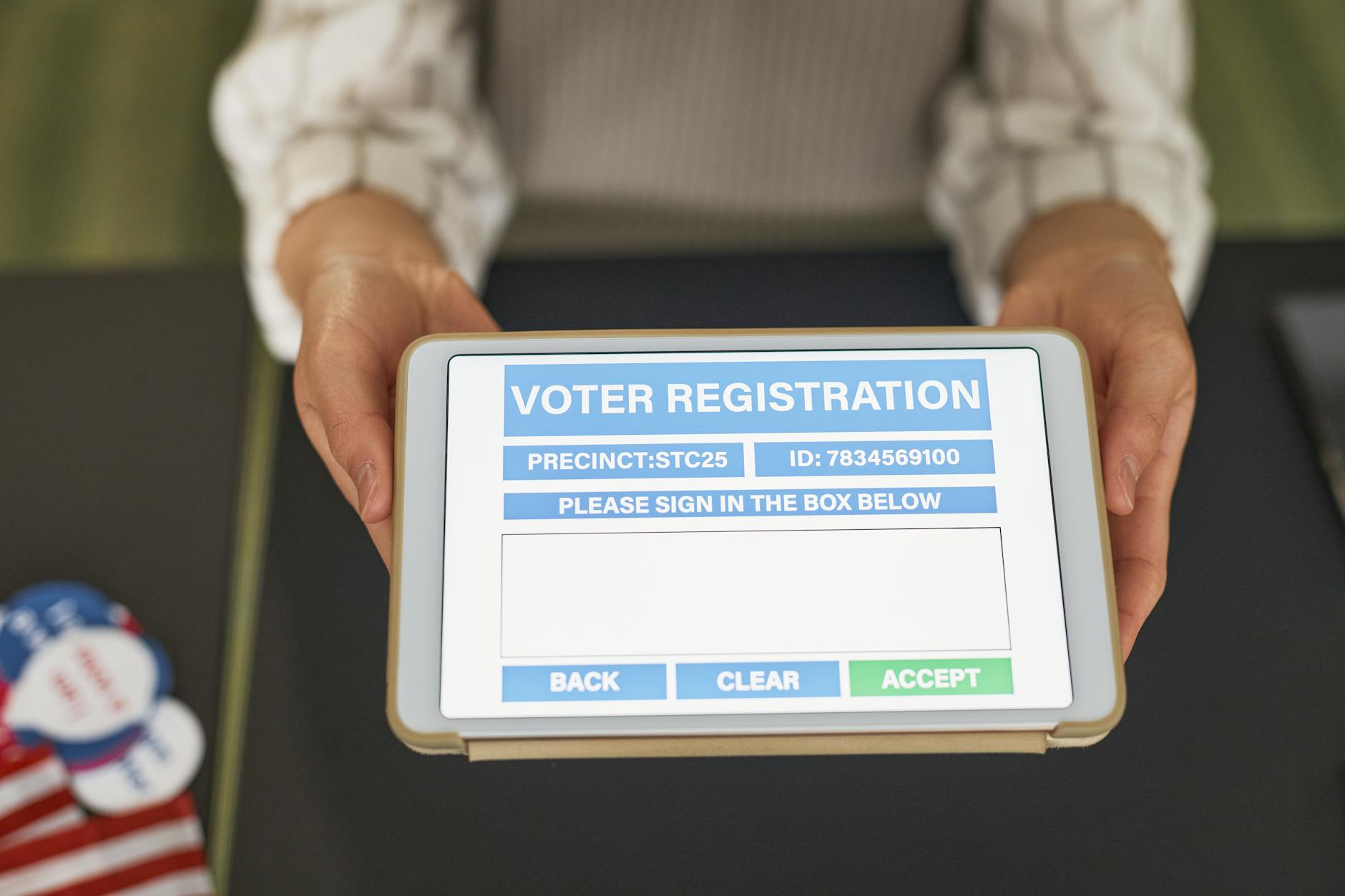
Election integrity monitoring encompasses a broad spectrum of activities designed to scrutinize every phase of the electoral cycle. It begins long before election day, with assessments of voter registration processes, political party and candidate registration, campaign finance regulations, and media access. On election day itself, monitors observe polling station operations, voter turnout, ballot security, and the conduct of electoral officials. Post-election, the focus shifts to ballot counting, tabulation, results transmission, and the handling of complaints and appeals.
The goal is not simply to identify fraud, but to ensure adherence to established laws and international standards for democratic elections. Monitors look for instances of voter intimidation, ballot stuffing, unauthorized campaigning within polling areas, discrepancies in vote counts, and any other activities that could undermine the free and fair exercise of suffrage. Their reports provide a comprehensive picture of the election, offering both commendations for good practices and recommendations for improvement.
The Power of Independent Observation and Civil Society Engagement
Independent domestic and international observation missions are cornerstones of credible election integrity monitoring. Domestic observers, often drawn from civil society organizations, have a deep understanding of the local context, culture, and political dynamics. Their presence can build trust within communities and ensures that local concerns are addressed. International observers, on the other hand, bring a comparative perspective, evaluating elections against global best practices and international human rights standards. Their impartiality can lend significant credibility to the findings, especially in politically charged environments.
Civil society organizations (CSOs) play a particularly vital role. They are often the earliest to mobilize, the most persistent in their advocacy, and the most rooted in local communities. Their networks allow for widespread coverage, reaching remote areas that might otherwise go unmonitored. CSOs also frequently engage in voter education, civic engagement initiatives, and advocating for electoral reforms, acting as a crucial bridge between citizens and the electoral process. Their long-term presence and commitment contribute significantly to sustained improvements in electoral governance. The Egyptian Democratic Social Party’s actions, though emanating from a political entity, resonate with this spirit of active civil engagement for electoral fairness.
The Role of Judicial Review and Remedial Elections
The specific mention of re-elections occurring after rulings by the Supreme Administrative Court is a critical detail in the landscape of election integrity monitoring. It highlights the essential role of an independent judiciary in upholding electoral laws and correcting injustices. When electoral bodies or political actors fail to ensure fairness, the judiciary serves as a final arbiter, providing legal recourse for aggrieved parties and ensuring that irregularities are not simply swept under the rug.
Remedial elections, or re-votes, are an extraordinary measure, indicative of serious issues identified in the initial polling. They underscore the severity of documented violations and the judiciary’s commitment to ensuring a legitimate outcome. The process of conducting a re-election itself demands renewed and intensified monitoring to ensure that the errors or malpractices of the previous attempt are not repeated. This legal accountability is a powerful deterrent against electoral misconduct and reinforces the principle that no individual or institution is above the law when it comes to safeguarding democratic processes.
Challenges and Complexities in Ensuring Election Integrity
Despite its critical importance, election integrity monitoring is fraught with challenges. One of the primary hurdles is access. Monitors often face restrictions on movement, limited access to polling stations, or delays in receiving official documentation. In some contexts, security concerns can put observers at risk, deterring comprehensive coverage. Funding is another persistent challenge; sustained and widespread monitoring requires significant financial and human resources, which can be difficult to secure.
Beyond logistics, monitors must navigate complex political environments, where accusations and counter-accusations are common. Distinguishing between genuine irregularities and politically motivated claims requires rigorous methodology, objective analysis, and a commitment to verifiable evidence. The rise of misinformation and disinformation campaigns, particularly through social media, adds another layer of complexity, making it harder to discern facts from propaganda. Monitors must also contend with evolving electoral laws, technological shifts in voting systems, and the dynamic nature of political landscapes. These factors make the role of a monitor not just observational, but also analytical, adaptive, and highly resilient.
The Broader Impact: Trust, Legitimacy, and Democratic Consolidation
The ultimate goal of robust election integrity monitoring extends beyond just documenting facts; it aims to foster and maintain public trust in democratic institutions. When citizens believe that their votes matter and that elections are conducted fairly, they are more likely to participate, engage in civic life, and accept election outcomes. This public confidence is the bedrock of political stability and the peaceful transfer of power.
Conversely, a lack of credible monitoring or the widespread perception of electoral fraud can lead to political unrest, protests, and a deepening sense of disenfranchisement. Such conditions undermine the legitimacy of elected officials, weaken governing institutions, and can even sow the seeds of authoritarianism. Therefore, the work of election monitors is not just about a single election; it is about the long-term health and consolidation of democratic governance within a nation. It contributes to a culture of accountability, transparency, and respect for the rule of law, pushing political systems towards greater maturity and resilience.
Innovating for Enhanced Election Integrity Monitoring
While the foundational principles of election integrity monitoring remain constant, the methodologies continue to evolve. Technology plays an increasingly important role in enhancing the efficiency and effectiveness of observation efforts. Mobile applications allow monitors to rapidly collect and transmit data from polling stations, including geo-tagged photos and videos, enabling real-time incident reporting and analysis. Data analytics can help identify patterns of irregularities or anomalies that might not be apparent through traditional methods.
Geographic Information Systems (GIS) can be used to map polling station locations, monitor population densities, and track logistical challenges. While the specific Egyptian example provided does not detail technological innovation, it exists within a broader context where electoral stakeholders are constantly seeking smarter, faster, and more secure ways to ensure the integrity of the ballot. From biometric voter registration to digital tallying systems, technological advancements offer both opportunities and new challenges for monitoring, requiring observers to be technologically literate and adaptable. The emphasis remains on ensuring that these technologies enhance transparency and verifiability, rather than creating new avenues for manipulation.
Best Practices and Future Directions
For election integrity monitoring to be truly effective, several best practices are consistently advocated. These include early deployment of observation teams, comprehensive training for monitors, standardized reporting forms, robust data verification processes, and independent analysis of findings. Clear communication with electoral commissions, political parties, and the media is also essential to ensure transparency and accountability.
Looking ahead, the field of election monitoring will likely see continued innovation in data collection and analysis, a greater emphasis on long-term observation between election cycles to assess electoral reforms, and a focus on addressing emerging threats such as cyberattacks on electoral infrastructure and the spread of deepfakes and AI-generated disinformation. Collaboration between domestic and international observers, academics, and technologists will be key to developing resilient strategies to safeguard democratic processes in an increasingly complex digital age. The goal is to move beyond simply reacting to problems and toward proactive measures that build stronger, more trustworthy electoral systems.
Conclusion: A Continuous Commitment to Democratic Values
The commitment of organizations like the Egyptian Democratic Social Party to diligently track and report on electoral processes is a powerful reminder of the continuous effort required to maintain a healthy democracy. Election integrity monitoring is not a one-time event but an ongoing process—a continuous commitment to the ideals of fairness, transparency, and accountability that underpin any truly democratic society.
For business professionals, entrepreneurs, and tech-forward leaders, understanding the dynamics of electoral integrity is paramount. Stable democratic governance creates predictable environments essential for economic growth, investment, and innovation. Societies where elections are perceived as fair and outcomes are accepted are more likely to attract foreign investment, foster local entrepreneurship, and maintain social cohesion. The principles of transparency, verifiable processes, and impartial oversight inherent in effective election monitoring also resonate deeply with corporate governance and ethical business practices. Ultimately, a strong focus on election integrity monitoring helps to secure the foundational stability upon which all other societal and economic progress depends, ensuring that the will of the people remains the ultimate authority in shaping their collective future.
Frequently Asked Questions
What is election integrity monitoring?
Election integrity monitoring is the process of observing and scrutinizing all phases of an electoral cycle to ensure fairness, transparency, and adherence to established laws and international standards. It involves documenting, verifying, and reporting on aspects from voter registration to final vote tallying.
Why is election integrity monitoring important?
It is crucial because it builds public trust in democratic institutions, legitimizes election outcomes, safeguards against malpractice, and ensures that the will of the people is accurately reflected. It is foundational for political stability and peaceful transfers of power.
Who typically conducts election integrity monitoring?
Monitoring is conducted by various stakeholders, including independent domestic and international observation missions, civil society organizations (CSOs), and sometimes even political parties themselves, as seen with the Egyptian Democratic Social Party. Their roles often involve non-partisan observation to verify electoral processes.
What challenges does election integrity monitoring face?
Challenges include restrictions on access to polling stations and documentation, security risks for observers, insufficient funding, navigating complex political environments, and combating misinformation and disinformation campaigns. Monitors must also adapt to evolving laws and technological shifts.
How does technology enhance election integrity monitoring?
Technology, such as mobile applications for real-time data collection, data analytics for identifying irregularities, and Geographic Information Systems (GIS) for mapping and logistics, can significantly enhance the efficiency and effectiveness of monitoring efforts, making processes smarter, faster, and more secure.